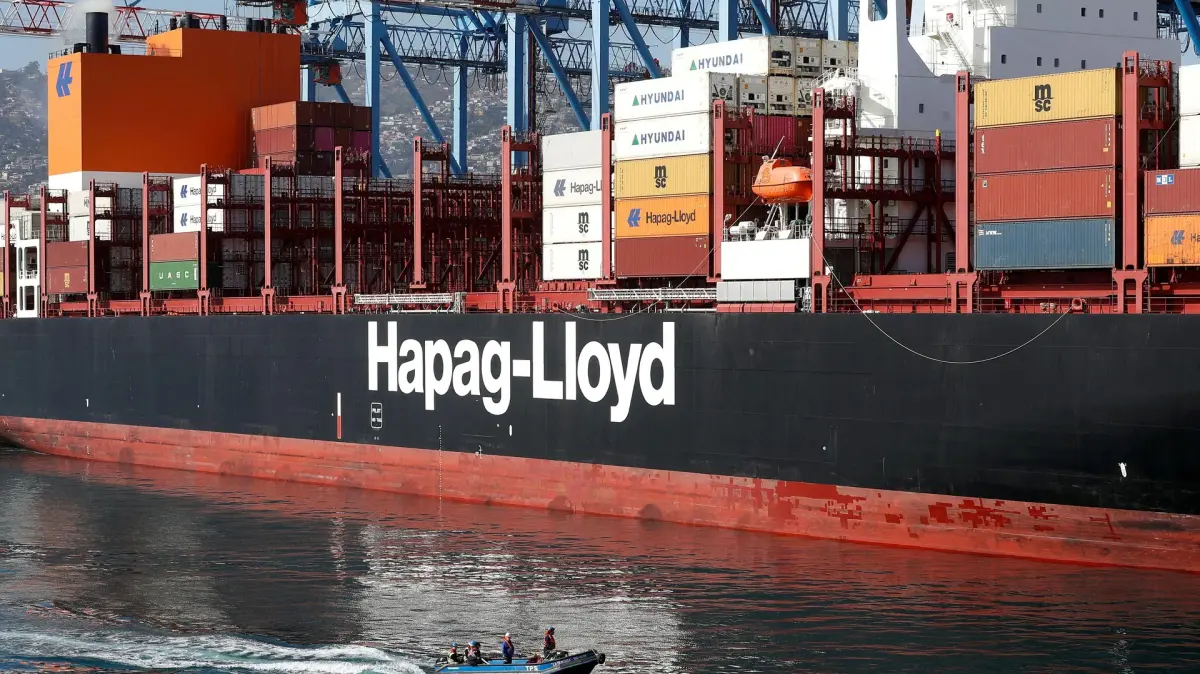
German shipping giant Hapag-Lloyd has entered advanced negotiations to acquire its Israeli competitor, Zim Integrated Shipping Services. The Hamburg-based company officially announced the discussions on Sunday, signaling a potential major consolidation in the maritime industry. While a final agreement has not yet been reached, the move represents a significant strategic expansion for the German firm. This development marks a pivotal moment for both companies as they navigate the complexities of international trade.
The negotiations involve complex discussions with the Israeli financial investor FIMI Opportunity Funds. These talks are particularly focused on obligations related to special rights held by the State of Israel in the shipping company. Hapag-Lloyd emphasized in a stock exchange statement that no binding agreements have been finalized at this stage.
Sources familiar with the matter suggest that a definitive deal could be signed as early as this week. This progress follows several months of private negotiations between Zim and various potential international buyers. The shipping industry is closely watching these developments as the timeline for the acquisition appears to be accelerating rapidly.
Zim Integrated Shipping Services is currently valued at approximately $2.7 billion on the New York Stock Exchange. However, reports from the Israeli business daily Calcalist indicate that the final sale price could exceed $3.5 billion. This premium reflects the strategic value of Zim’s global logistics network and its established market position.
If the acquisition proceeds, Zim will be delisted from the New York Stock Exchange following the completion of the transaction. The deal remains subject to a series of rigorous regulatory reviews and government approvals in both Germany and Israel. Ensuring compliance with international maritime laws will be a critical step for both organizations involved.
The potential merger comes at a time when global shipping companies are seeking to optimize their operations through strategic partnerships. By acquiring Zim, Hapag-Lloyd would significantly strengthen its presence in key trade routes and enhance its overall fleet capacity. This acquisition aligns with broader trends of consolidation within the competitive container shipping sector.
Industry analysts believe this move could reshape the competitive landscape of the international maritime market. The integration of Zim’s assets would provide Hapag-Lloyd with a more robust platform for future growth and operational efficiency. Stakeholders are now waiting for a formal announcement to confirm the final terms of this multi-billion dollar agreement. The outcome of these talks will likely influence future investment strategies across the global shipping sector.