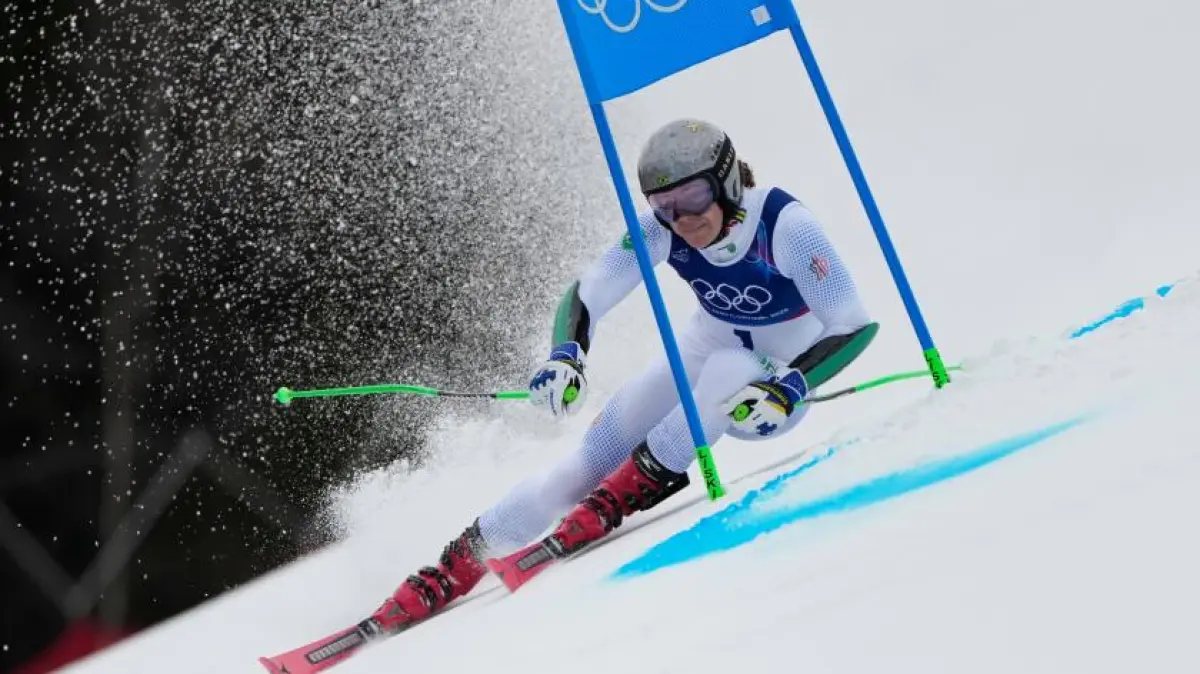
Olympic ski racing is a discipline defined by extreme speeds and high-stakes maneuvers on the mountain. Beneath the surface of these thrilling performances lies a complex network of technical preparations and specialized equipment. Every detail of the competition is engineered to maximize performance while ensuring the safety of the world's elite athletes.
Competitors utilize advanced gear such as temperature-sensitive speed suits designed to reduce drag in specific atmospheric conditions. Modern safety innovations have also become standard, including sophisticated airbags that deploy during high-speed falls to prevent injury. These technological advancements represent a significant evolution in the sport's approach to athlete protection and aerodynamics.
One of the most distinctive visual elements of a modern ski course is the presence of bright blue dye lines. First introduced to World Cup circuits in 2001, these markings serve as critical navigational aids for racers. They are particularly vital during high-speed downhill and super-G events where split-second decisions are necessary for success.
These blue borders provide essential visual guidance for skiers navigating the slope at speeds often exceeding 80 miles per hour. They are especially beneficial during periods of low visibility or flat light when the terrain becomes difficult to distinguish. By following these markers, athletes can maintain their orientation even when the weather conditions suddenly deteriorate.
While the dye indicates the general path of the course, skiers are not strictly obligated to remain within these blue borders. Instead, the markings function as a reference point to help competitors identify the most efficient line down the hill. This allows for a degree of tactical flexibility while providing a consistent visual anchor throughout the run.
Team USA member Nina O’Brien emphasizes that even minor visual cues can significantly impact a racer's performance. She notes that gaining extra perception regarding bumps or terrain features allows a skier to move with much greater confidence. This psychological advantage is crucial for maintaining speed through the most challenging sections of the track.
The integration of meticulous course preparation and cutting-edge technology continues to push the boundaries of alpine skiing. As racing conditions become more demanding, these subtle innovations ensure that the sport remains both competitive and safe. The combination of human skill and scientific precision remains the hallmark of the modern Olympic Games.