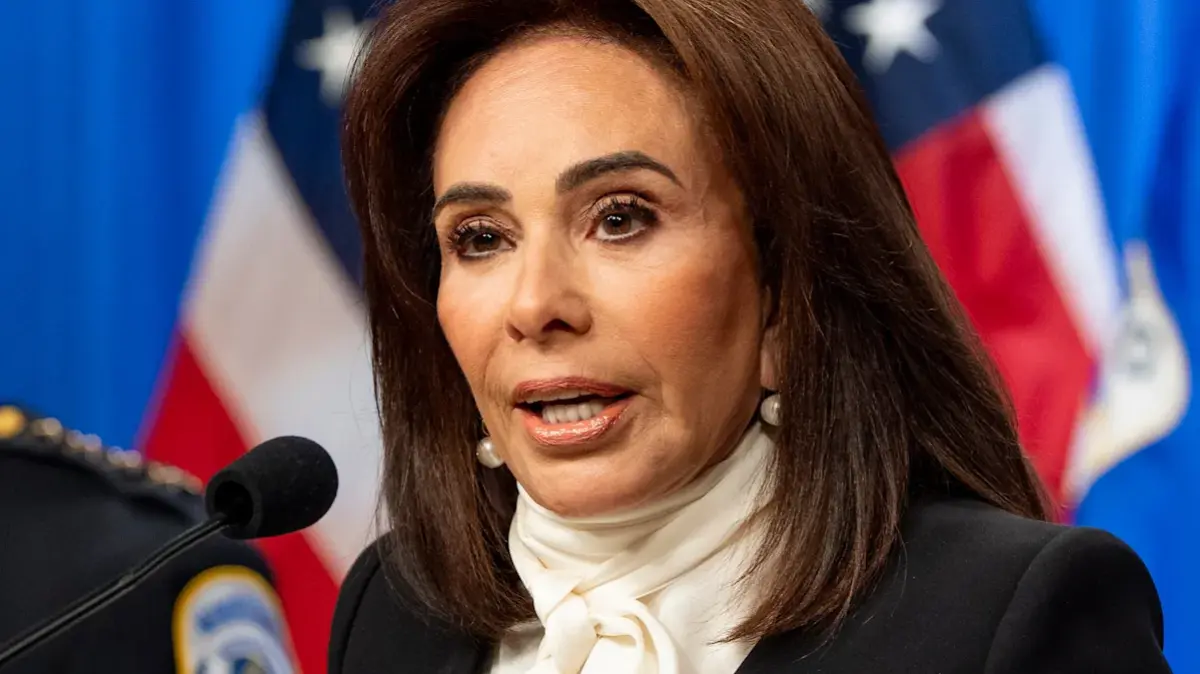
The Department of Justice is currently facing intense public scrutiny following the failure of a high-profile legal action against six Democratic lawmakers. Led by U.S. Attorney Jeanine Pirro, the prosecution targeted a video in which the officials allegedly encouraged military personnel to disregard illegal orders. This unsuccessful attempt has raised significant concerns regarding potential political intimidation within the federal justice system.
The legal effort reached a definitive standstill when a grand jury formally rejected the proposed indictment against the group of legislators. Observers have characterized the execution of the case as clumsy, suggesting that the prosecution failed to present a compelling legal argument. This outcome represents a significant setback for the U.S. Attorney’s office and its current leadership.
The controversy centers on a video produced by the lawmakers that addressed the boundaries of military obedience to executive commands. Prosecutors argued that the content constituted an unlawful attempt to interfere with military operations and discipline. However, the grand jury determined that the evidence did not warrant a formal criminal trial for the individuals involved.
A former federal prosecutor from the District of Columbia described the grand jury’s outright rejection of the charges as a stunning development. They noted that the procedural rules are typically skewed heavily in favor of the prosecution, making such an outcome extremely rare. The expert emphasized that this specific failure highlights a profound level of skepticism toward the government's motives.
The rejection of the indictment suggests that the public may no longer trust the objectivity of certain high-level legal appointments. Critics argue that using the Department of Justice to target political opponents undermines the foundations of the American legal system. This case serves as a warning about the limits of prosecutorial power when faced with a skeptical citizenry.
Following the grand jury's decision, debates have intensified regarding the controversial nature of recent judicial and prosecutorial appointments. Legal scholars are analyzing the long-term effects this failure might have on future cases involving political speech and military conduct. The U.S. Attorney’s office has yet to provide a detailed response to the grand jury’s unexpected refusal to proceed.
The collapse of the prosecution against the six Democratic lawmakers marks a pivotal moment in contemporary legal discourse. It underscores the vital role that grand juries play as a check against potential government overreach and political bias. Moving forward, the Justice Department will likely face increased oversight to ensure the impartial application of federal law.