Millions of private renters across England are facing a significant delay in the implementation of vital housing quality improvements. The British government has officially postponed its plan to mandate that all landlords meet the "Decent Homes Standard" until the year 2035. This decision means that many tenants will continue to reside in properties that fall short of basic safety and health requirements for another decade.
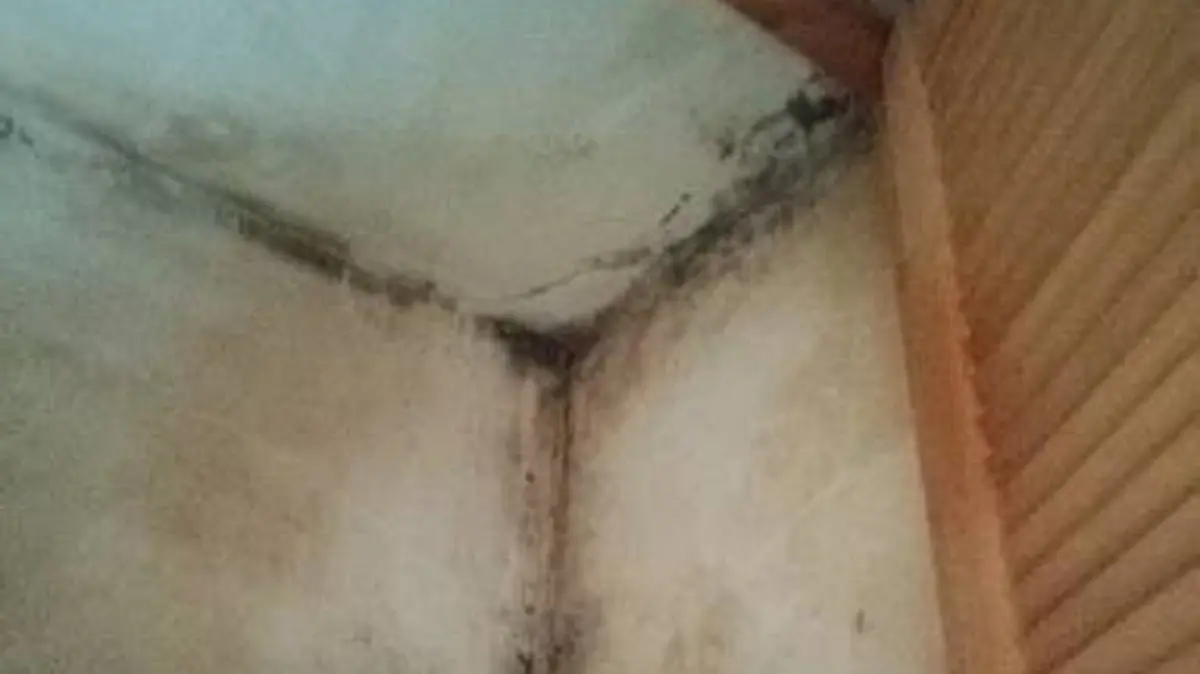
The Decent Homes Standard is a regulatory framework designed to ensure that rental properties are in a reasonable state of repair. Under these guidelines, landlords are required to provide housing that is structurally sound and free from hazardous damp and mold. However, the enforcement of these critical measures has now been pushed back, leaving a substantial portion of the population in precarious living conditions.
Data from the English Housing Survey highlights the severity of the current situation within the private rental sector. Currently, more than one-fifth of all privately rented homes in England fail to meet the criteria for decent living standards. This percentage represents over one million individual properties nationwide that are considered inadequate by official measures.
The decision to delay the enforcement of these standards has drawn sharp criticism from various sectors of society. Members of Parliament, housing advocacy groups, and frustrated renters have expressed their disappointment regarding the revised timeline. Critics argue that the government is prioritizing the concerns of property owners over the health and well-being of vulnerable tenants.
Persistent issues such as mold and dampness can lead to serious respiratory problems and other long-term health complications for residents. By extending the deadline for compliance, the government may be inadvertently prolonging a public health crisis within the housing market. Many advocates fear that the lack of immediate action will exacerbate existing inequalities in the UK's social landscape.
The number of substandard rental properties has remained remarkably consistent over the past several years. Statistics indicate that the figure of one million non-decent homes has not seen significant improvement since 2019. This stagnation suggests that voluntary measures and existing regulations have been insufficient in driving the necessary changes in the private sector.
As the 2035 deadline looms in the distant future, the debate over housing rights in England continues to intensify. Stakeholders are calling for more urgent interventions to address the widespread prevalence of poor-quality rental accommodation. For now, millions of citizens remain in a state of uncertainty, waiting for a legislative solution that is still ten years away.