Canadian federal lawmakers are intensifying pressure on the government to address domestic corporate ties with U.S. Immigration and Customs Enforcement. This movement follows growing public outcry over the role of private entities in international immigration enforcement operations. Advocacy groups and opposition members are now calling for a definitive shift in national policy regarding these partnerships.
The current push for legislative action centers on Canadian firms allegedly providing technological or logistical support to ICE. Critics argue that such collaborations indirectly support controversial enforcement tactics used by the American agency. Members of the New Democratic Party have been particularly vocal in demanding transparency and accountability for these corporate activities.
Tensions reached a boiling point following the deaths of protesters Alex Pretti and Renee Good in Minnesota this past January. The fatalities occurred during a demonstration against enforcement practices, sparking international debate over immigration policies. This incident has served as a catalyst for Canadian politicians seeking to distance the nation from ICE operations.
NDP Member of Parliament Heather McPherson, a prominent figure in her party, has criticized the government’s perceived inaction. She described the current administration's stance as lacking the necessary moral courage to confront these corporate entities. McPherson emphasized that the Canadian public expects a more principled approach to international human rights issues.
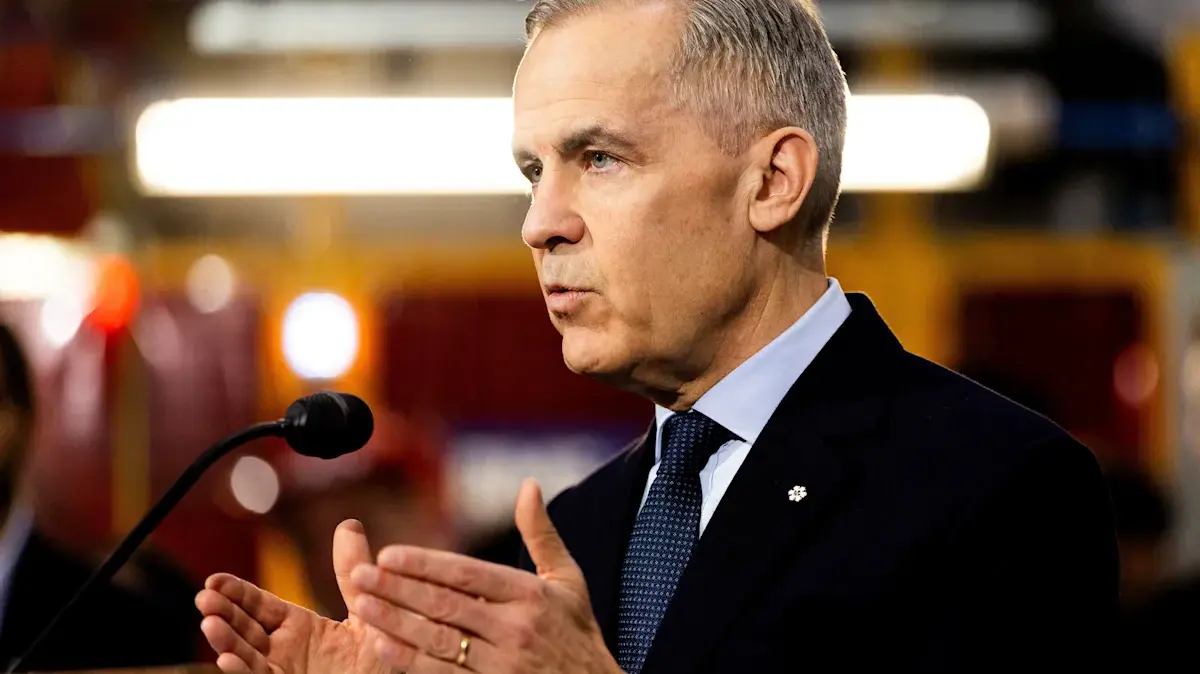
The Liberal government under Prime Minister Mark Carney has remained largely silent regarding the specific deaths of the protesters. Official statements have yet to condemn the incident or outline any plans to restrict Canadian business dealings with ICE. This lack of response has fueled accusations of political cowardice from opposition benches and human rights advocates.
In a formal effort to force the issue, McPherson has submitted a detailed letter to the federal government. This document identifies specific companies believed to be working with ICE and proposes various regulatory responses. The list serves as a direct challenge to the administration to investigate these domestic ties more thoroughly.
As the debate intensifies, the Carney administration faces a difficult choice between maintaining trade relations and upholding humanitarian standards. The outcome of this legislative pressure could redefine how Canada regulates the international activities of its private sector. Observers expect the issue to remain a central point of contention in upcoming parliamentary sessions.